Running Shoes at Example Store: How to Choose the Right Pair
This guide explains how to choose running shoes from Example Store without relying on guesswork. It covers fit, terrain, rotation, and the cases where another retailer or a specialty fit session may be a better choice.

Example Store lists a range of running shoes, but a good purchase starts with your own running routine rather than a generic recommendation. This guide explains how to narrow the options by fit, surface, cushioning, and support needs, and it highlights the situations where Example Store may not be the best choice.
This is a buying guide, not a hands-on performance test. It does not claim lab results, personalized fitting, or guaranteed outcomes; instead, it gives you a practical checklist to use before you order.
Start with Fit and Function, Not Hype
Running shoes need to fit well before any other feature matters. A shoe that slips at the heel, pinches across the forefoot, or leaves too little room at the toes is unlikely to become comfortable simply because it has a popular design. Check the return policy and exchange process before ordering, especially if you are trying a new brand or model for the first time.
Think about the job you need the shoe to do. A daily trainer for easy road miles is different from a trail shoe, a race-day shoe, or a shoe you mainly use for walking and gym sessions. Example Store may group shoes by category, but you still need to match the shoe to your most common activity.
- Measure your feet later in the day, when they are likely to be slightly larger.
- Leave roughly a thumb's width of space at the front of the shoe if that matches your usual fit preference.
- Wear the socks you plan to run in when you try shoes on at home.
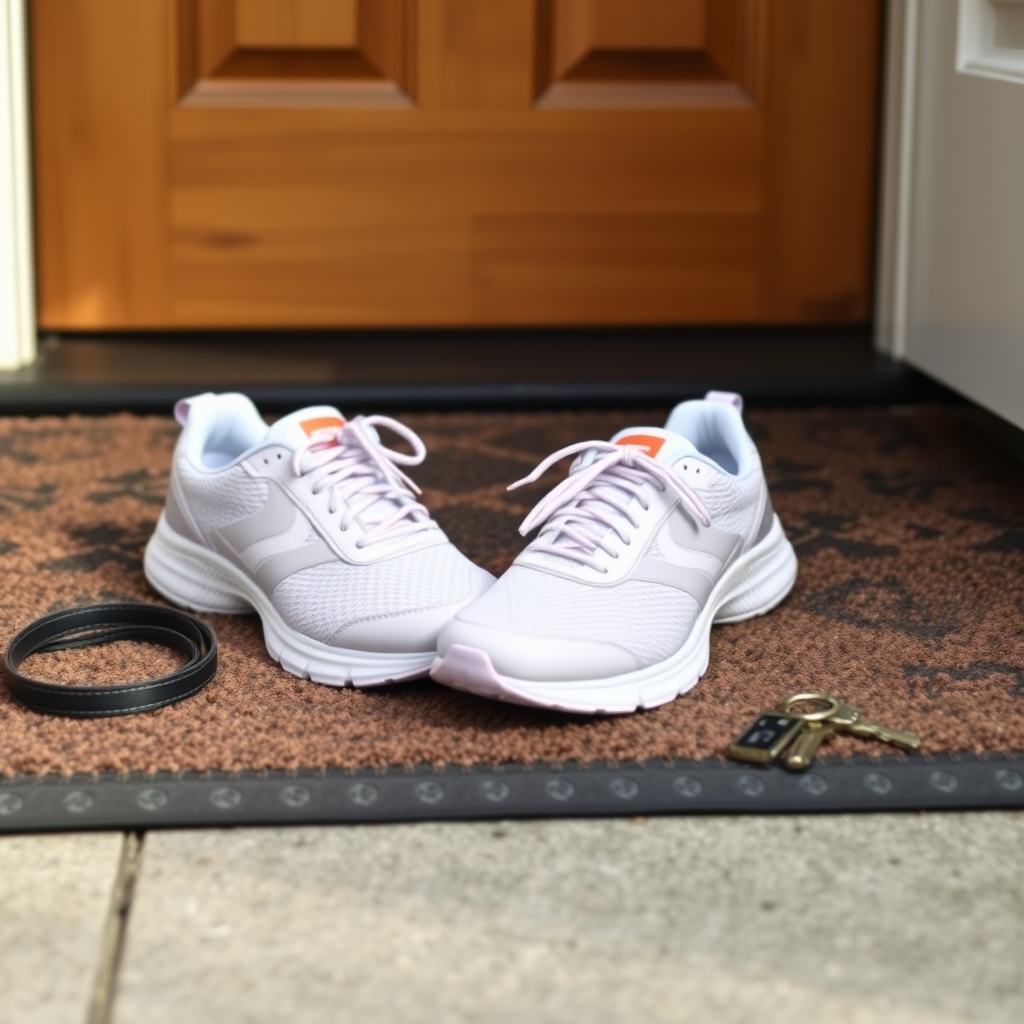
Match the Shoe to Your Running Surface
Road running, treadmill running, gravel paths, and technical trails place different demands on a shoe. Road shoes usually prioritize a smoother ride on pavement, while trail shoes typically add tread and protection for uneven ground. Using a road shoe on aggressive trails can feel unstable, and a stiff trail shoe can feel clumsy on smooth pavement.
If you split your time between surfaces, decide which surface matters most for your next pair. A versatile shoe may cover light gravel and pavement, but it will not replace a dedicated trail shoe for rough terrain. Check the product description and return terms carefully if you are unsure.
- Choose smoother outsoles for pavement and treadmill use.
- Look for deeper tread and toe protection for rocky or muddy trails.
- Avoid buying a highly specialized shoe if most of your runs are easy and mixed-surface.
Understand Neutral vs. Stability vs. Cushioned Shoes
Running shoes are often described as neutral, stability, or cushioned, but those labels are not medical advice. Neutral shoes are generally built without added support features, stability shoes may include firmer materials or guidance elements, and cushioned shoes emphasize a softer underfoot feel. The right choice depends on comfort and your running history, not on a label alone.
If you have persistent pain, a history of injury, or uncertainty about your gait, consider speaking with a qualified professional rather than self-diagnosing from an online product page. Example Store can show available models, but it should not be treated as a substitute for individual medical or fitting advice.
- Pick comfort first; a support feature that feels intrusive may not suit you.
- Do not assume more cushioning is always better for every runner.
- Treat online quizzes and category labels as starting points, not final answers.
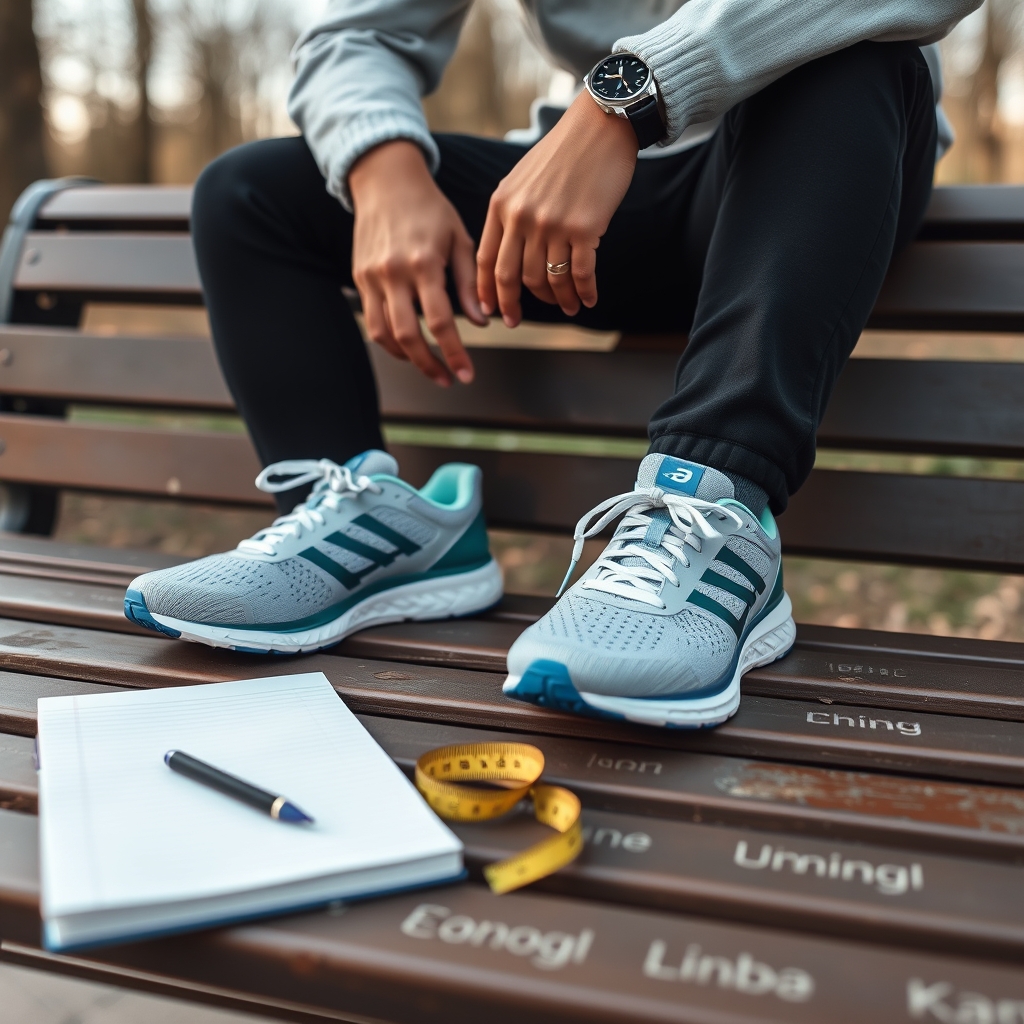
Check Sizing, Returns, and Exchange Details Before Ordering
Sizing varies between brands and even between models, so use the current size guide on the product page rather than assuming your usual number will transfer. Read the return window, condition requirements, and exchange process before you order. If you plan to run outdoors, confirm whether used shoes can still be returned; some policies are stricter than others.
If Example Store displays shipping options and delivery estimates at checkout, confirm them on the site at the time of purchase instead of relying on general claims. Keep the packaging and tags until you are confident about the fit.
- Compare the listed size chart with a shoe you already own.
- Read the return policy for sale items, final-sale items, and worn shoes.
- Save your order confirmation and check the delivery details before the return window closes.
Build a Rotation and Replace Shoes Sensibly
A rotation can help you avoid wearing one pair for every run, but it is not mandatory. Some runners prefer two pairs for different surfaces or workouts; others do fine with one versatile daily trainer. If you rotate shoes, label them by purpose so you do not accidentally use a race-day shoe for muddy trail runs.
Replacement timing varies with the shoe, your weight, your running style, the surface, and how often you run. There is no universal mileage number that applies to everyone. Watch for worn-out tread, compressed cushioning, new discomfort, or a noticeable change in how the shoe feels.
- Track approximate mileage if it helps you notice wear patterns.
- Retire shoes when the upper tears, the outsole is badly worn, or the ride feels flat.
- Do not assume a shoe is still supportive just because the upper looks clean.
Where Example Store May Not Be the Best Fit
Example Store may be convenient for comparing listed models, but it is not the right choice for every runner. If you need an in-person gait analysis or a professional fitting, a local specialty running store may be more appropriate. This guide cannot confirm whether Example Store offers those services, so check directly before relying on them.
You may also want to shop elsewhere if you need a very specific width, a hard-to-find model, or a try-before-you-buy experience with a fit specialist. And if you are shopping under a tight deadline, confirm the current delivery estimate rather than assuming fast shipping.
- Not ideal if you need hands-on gait analysis or custom orthotic advice.
- Not ideal if you require a precise fit session across multiple brands in one visit.
- Not ideal if you cannot confirm the return policy for the exact item you plan to buy.
Quick comparison of common running shoe categories
| Shoe category | Best for | What to check |
|---|---|---|
| Neutral daily trainer | Most road runners who do not need added stability | Fit in the toe box and heel hold |
| Stability shoe | Runners who want more support under the arch or midfoot | Whether the support feels comfortable, not intrusive |
| Cushioned shoe | Longer easy runs and runners who prefer softer landings | Weight and ground feel |
| Trail shoe | Off-road runs, gravel, and uneven surfaces | Outsole tread and rock protection |
| Race-day shoe | Short, faster efforts or race day | Comfort over the distance you plan to race |
Frequently Asked Questions
Can I use running shoes for walking or gym workouts?
Sometimes, yes, but it depends on the shoe. Highly cushioned or very flexible running shoes may feel unstable for lifting, while walking may wear the outsole differently. If most of your activity is walking or gym training, look for a shoe described for those uses rather than forcing a specialized running shoe to do everything.
Do I need stability shoes?
Not necessarily. Stability shoes are an option for runners who prefer extra support, but they are not required for everyone. Comfort and fit matter. If you have recurring pain or a diagnosed issue, ask a qualified professional instead of choosing based on an online label.
Should I size up in running shoes?
There is no universal rule. Some runners prefer extra room for foot swelling; others prefer a closer fit. Use the current size guide, your own measurements, and the return policy. Avoid sizing up automatically if it causes heel slippage.
How often should I replace running shoes?
Replacement depends on the shoe, your body, your running style, and the surface. There is no single mileage number that fits everyone. Watch for worn tread, flattened cushioning, tears, or new discomfort, and replace when the shoe no longer feels supportive for your runs.
Does Example Store provide expert fitting advice?
This article cannot confirm the services available at Example Store. Check the store's current service details, contact options, and return policy before relying on in-person fitting, gait analysis, or product advice.
Final Verdict
Running shoes are a personal purchase, and the best choice is the one that fits your foot, suits your regular running surface, and feels comfortable for the way you move. Example Store can be a useful place to compare options, but it is not the right route for every runner. Use the checklist above, confirm the return details, and avoid choosing a shoe based only on a category label or a delivery claim.
Ready to compare options? Review current running shoes at Example Store, then confirm sizing, returns, and shipping details before you order: https://example.com/track?uid=exus_running-shoes_1